The Web Privacy Podcast
How Luiz Santos Handles a Sub-brand or Domain that Goes Rogue

 33 MIN





Summary
An acquired site keeps firing undocumented analytics and ad tech tags for a year, still sells user data under the old company’s privacy policy, and drops third-party cookies on a domain CNAMEd to the parent. Then a regulator’s letter arrives, addressed to the parent. Luiz Santos, privacy professional, joins host Ethan Prete to walk through what to do when a sub-brand or domain goes rogue.
Luiz explains why ownership doesn’t mean control, why shared responsibility so often becomes no responsibility, how one standard across every domain keeps sub-brands in line, what regulators expect when you get it wrong, and how he fixed a broken Global Privacy Control setup with marketing in under a month on zero budget. He also covers his role as Brazil DPO and how LGPD compares with GDPR. Essential listening for privacy, legal and marketing leaders responsible for more than one website.
The views and opinions expressed belong to Luiz and do not necessarily reflect the views, positions, or policies of NCR Voyix, nor do they constitute legal advice.
33 MIN
Podcast Transcript
The Web Privacy Podcast - Luiz Santos
Luiz Santos [00:00:00] we need to have a framework. We need to have a standard. If that doesn't work down the road, you tried. You simply did not say, okay, I don't care. Let's live with the risk. That's one thing you cannot do that, because that's where people, and we have people.
Luiz Santos [00:00:16] using that as a as a mean of living, going there and say, hey, you don't have your privacy policy available. And they're gonna try you know, try to sue the company. And that's when they're gonna try to get a five thousand, whatever thousand dollars from the company. So it's very easy. We have it's not a very easy, it's it's it's kind of simple to go with the basics. We have tools that really helps help us to to achieve. So it's just a matter of sitting down and and kind of
Luiz Santos [00:00:44] having the big picture and and having a plan of action.
Ethan Prete [00:00:47] Good morning, good afternoon, and good evening, privacy professionals alike, and welcome to yet another episode of the Web Privacy Podcast, where I do have to kind of disclose this, but my six-year-old daughter is a big podcast fan, and so she is very jealous of us being here together. I'm biased, but I think this is the best place for everyone to fulfill their dreams of simplifying the web privacy space. And as you know, for those that have been here before, we do this by bringing together privacy professionals from all over the world to share cutting-edge ideas.
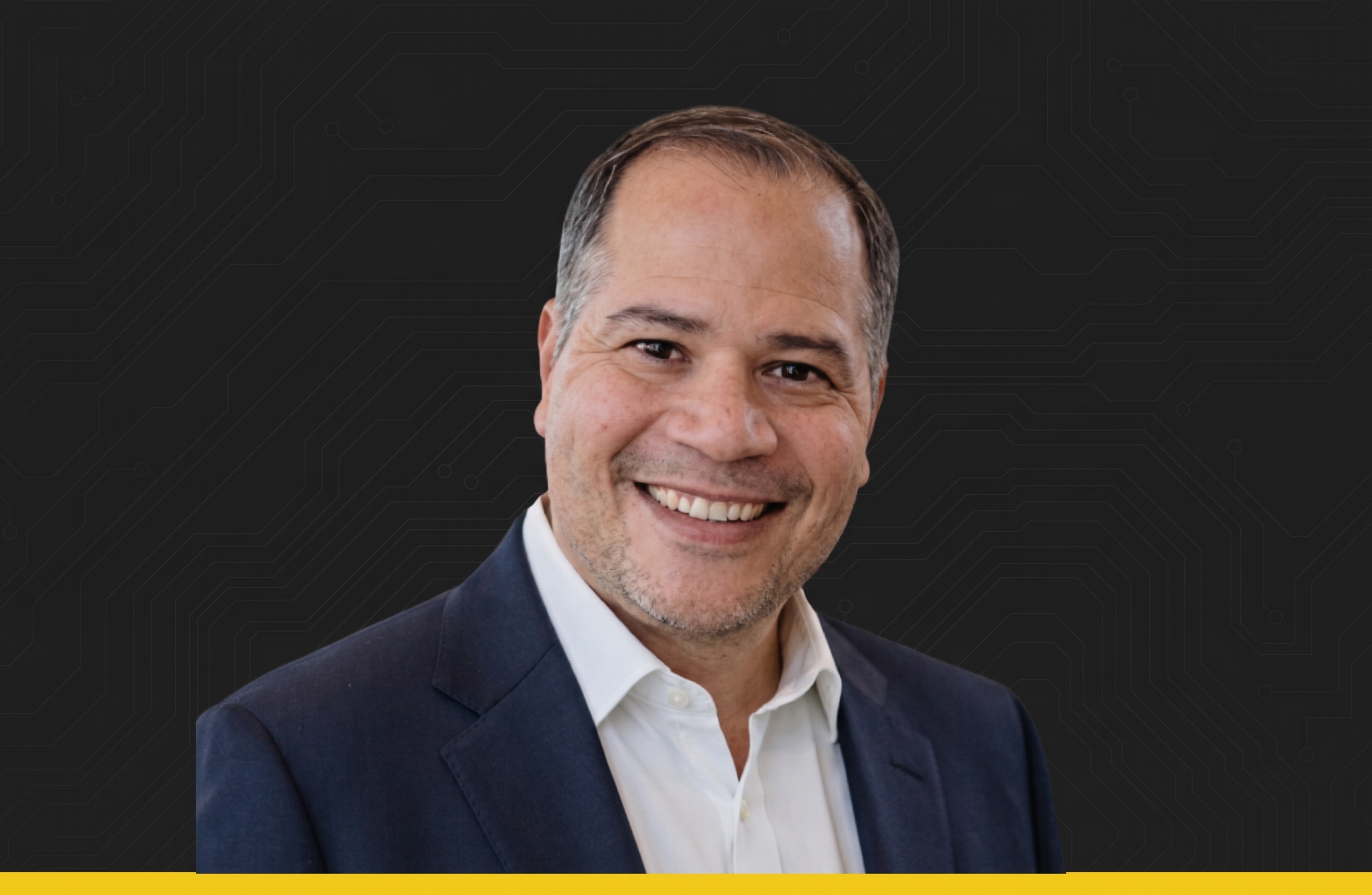
Ethan Prete [00:01:17] I'm your host, Ethan Prete, and today we are so lucky to be joined by Luiz Santos, Luiz is the senior managing counsel for global privacy and also the Brazilian DPO at NCR Voyix. Luiz, excited to have you on today. We have a lot of great questions. We have a great simulation going through M&A, what that looks like when things go wrong, and maybe when one of the sub brands or acquired brands is outside compliance.
Ethan Prete [00:01:38] But before I put you on the hot seat tell us a little bit about who you are and maybe a little bit about NCR as well for all the casuals in the chat?
Luiz Santos [00:01:44] Definitely. Thank you so much for having me today. I'm Luiz Santos, as you said, I'm Senior Managing Counsel of Global Privacy and Brazil DPO for NCR Voyix. You guys probably know NCR, which has been around for I think over 140 years. And NCR Voyix in 2023, the company was split into NCR Atleos, which is the banking business, and NCR Voyix, which is the POS businesses.
Luiz Santos [00:02:13] so I'm here the POS business. That's how people used to usually refer to it. at NCR Voyix I've been for a year. So it's it's been great to help a 140-year-old company to go digital and to become a SaaS company. And in a nutshell, I've been the last eight years of my career have been dedicated to developing and improving privacy programs.
Luiz Santos [00:02:40] SaaS and the technology global companies. And definitely as we're gonna discuss a lot, nobody comes to legal if there is there is no issue. There is always an issue. Nobody comes to Legal to hang out. So definitely gives us a lot of material to talk.
Ethan Prete [00:02:55] Love it. And again, excited to get into this today. before we do, Luiz, I ask this question from time to time just because the answers I get always vary across the board. But could you mind walking us through what your team looks like in terms of structure, how that relates to privacy and the analytics team and the legal team and kind of where everyone sits at NCR Voyix?
Luiz Santos [00:03:14] Correct. We report legal. When I say we privacy, we report to legal. We have a chief privacy officer. We have two senior managing councils. We split the house. I support IT marketing HR services. And I don't think I'm yeah, I'm not leaving any of my children behind. And I have a peer here that supports sales procurement, the CISO, and somebody else that I I don't need to know.
Luiz Santos [00:03:40] But definitely, yes, that that's how is is split. We have a UDPO as well who sits in Cyprus. that's basically how the team operates from a legal standpoint and from the privacy operational standpoint. We mostly rely on our business partners, for example, for digital assets. People love to say that digital assets assets and digital growth.
Luiz Santos [00:04:05] we rely mostly on on marketing team, for example. So that's how the the the the the current team we have it's it's very it's a very small team as as always. I think that I I haven't seen a company with like a very large privacy team, but definitely that's good because we are very hands-on and we are always involved on everything.
Ethan Prete [00:04:27] Love that. Yeah. Thank you for showing that structure too. I hope people listening in again every time I ask that question, I'm hoping you guys are at home taking notes, thinking about best practices. So the next question I wanted to ask Luiz before we jump in is again the Brazilian DPO thing. I'm not gonna let that slide. That's that's very unique. Obviously, we have the LGPD, which everyone I think is familiar with. But I I would argue that not everyone is as familiar with it. And there are however many hundreds of millions of people that live in Brazil,
Ethan Prete [00:04:54] I know people know GDPR. Obviously they are trying to follow all the statewide laws in the US, but what's been your experience with that regulation in particular and how does that differ from other ones around the globe?
Luiz Santos [00:05:04] That's a great question. LGPD was designed and implemented to be copy and paste of GDPR. That's a good thing because as a privacy professional, we are always trying to find the delta between the legislations. Otherwise, we we cannot keep up with I last time, I think 172 countries with with privacy, any sort of privacy regulation. So that's a good thing if you're thinking thinking about Brazil.
Luiz Santos [00:05:29] It's very aligned with GDPR from a high level standpoint. Don't quote me on that if you ever face an LGPD question. But from a high level, it's very aligned with GDPR, even on the methods of international transfer of personal data they have, like at the Brazilian SCCs. So that's that's what I can tell you. A quick advice quick tip is really it's very aligned with GDPR and
Luiz Santos [00:05:56] How I ended up in that position is great. I'm Brazilian by birth. So I was I was born in Brazil. I do speak Portuguese fluently, English and Spanish. I was an attorney there for six years, almost six years, when I decided to move to the US. So that it was a natural choice for NCR Voyix. We do have local counsels, but then when you have a global global company.
Luiz Santos [00:06:22] aligning the standards is critical to make sure you have everything under control. And that's one thing we're gonna talk about later. Ownership doesn't mean control. So definitely that was the that's why I became the the the the DPO for Brazil and definitely starting the business in Brazil starting off the business on the right foot with the right standards in place that that definitely was the why they they chose me to to
Luiz Santos [00:06:51] pioneered as this role in Brazil.
Ethan Prete [00:06:54] Love that. And and how has that been? I mean how is how what does enforcement look like compared to, you know, in the States or GDPR?
Luiz Santos [00:07:00] It's you know, they really go if you are I'll I'll say if you are low hanging fruit, let's a company with varied exposure and visibility like Facebook, definitely privacy regulators, especially in countries like Brazil, they like media. That's that's how they they they they they they they choose their targets. If they go after a small company, a mom-and-pop pop shop, that won't get any attention from anybody.
Luiz Santos [00:07:27] And and even if they impose a penalty or a fee or whatever, it's gonna be too low for to have any impact on the media. So they like to go you know after Facebook, Meta, you know, the big companies like Google. But yeah, enforcement as a whole is definitely it's something that you cannot say, no, it doesn't happen, but definitely it couldn't help happen more. and if you are if you are not on the top tier, say on the the
Luiz Santos [00:07:56] the the the you know the most non-companies like you know as I said meta google definitely the there are other factors factors that you need to take into account your exposure to consumers and individuals we are basically a B2B company so if you think about Nservox and B2B in Brazil our risk is generally speaking medium low but definitely we do have employees in Brazil as we have employees in I think 35 countries
Luiz Santos [00:08:25] So when you talk about employees, that's that's that's the people you need to be very careful about because they are your people. So that's that's where I I take most of my time. I spend most of my time.
Ethan Prete [00:08:36] Love that. And I appreciate you sharing. Again, a lot of the the listeners of the podcast are behind the privacy team of these massive global companies that have presences all around the world and Brazil is included in that. I would venture to guess that most of them don't have the same level of presence with boots on the ground and/or like a DPO dedicated to Brazil. But again, I appreciate you sharing some expertise there. And also in case you missed it, for everyone at home, he's not faking this accent to sound more sophisticated. He actually is Brazilian. So this is real.
Ethan Prete [00:09:05] This is actually
Luiz Santos [00:09:07] That's true. I I don't I don't think having an accent is is sexy. So definitely I do speak Portuguese and stuff like do you speak do you speak Portuguese fluently? I like, why do you think I have this accent? It's because English is not my first language. It's not because I feel it's sexy to look like Latino, whatever. now that I'm disagreeing, you know, I'm I'm Latino by the end of the day. But yeah, I do have it it tells everything.
Ethan Prete [00:09:31] I love it. I love it. Well, on that note, on that sexy note, let's let's go ahead and jump into our scenario today. Let's go for it. so let's set the stage. So let's say Luiz, and this this is a scenario that I actually hear fairly regularly. And I think it's actually applicable outside of this as well, but I'll get into that. So for our scenario today, let's imagine there's an enterprise software company that acquires a niche product company. So not unheard of. This happens all the time. but to avoid breaking the user acquisition funnel, the parent company, so the acquirer.
Ethan Prete [00:09:57] decides to keep everything running the exact same for the acquired company. Again, to try not to break anything, very common. But behind the scenes, the acquired site is still firing 11-ish undocumented analytics. And it's doing this for over a year, let's say. No one recognizes this. We have undocumented analytics, ad tech tags. They're still selling user data under a privacy policy that names the old entity.
Ethan Prete [00:10:21] And dropping now, let's say, a third party cookie on a domain that's C named directly to the parent enterprise, because now the acquisition is complete. nobody notices this until a regulatory letter comes in and it's addressed explicitly to the parent company because obviously everything is C named to them now. If this file, if this scenario came to your desk, what's your reaction?
Luiz Santos [00:10:38] not surprising at all. That happens all the time. People is very it get people get very excited when they are acquiring a company, but then the due diligence and really sitting down and doing understanding what's going on and asking the basic question. It doesn't look like it doesn't look it's it doesn't look sexy, let's say that way. So definitely celebrating the win, it's where people want to be like AI. Definitely, if you're a privacy professional, you want to be with AI.
Luiz Santos [00:11:08] Talk about AI because that's that's the new thing. So again, and when you when you you were describing this example, I think about like a wedding ceremony, okay? When you acquire a company, you acquire a domain, you were essentially saying, I hereby taking take this domain for better or for worse, for richer or for poorer in sickness or in health. So there is no way you say.
Luiz Santos [00:11:36] I didn't know that. Look, it's your obligation. And if there was a multiple choice question and the option D would be all the above, I would go with that. Anything you can think of, you are responsible for it. And definitely when you are taking that ownership and that responsibility and control over such a thing, understanding the risks is huge. And I've seen I've been on several M&As and
Luiz Santos [00:12:05] The due diligence on the privacy side, it's not as good as it should be. Sometimes we get a list of domains, sometimes, not all the time. So it's even I've been on situations that are like, okay, the company had 100 domains. Like, okay, I need a list of them. Like, we don't have it. And once I got the list, like, okay, what is this domain? Who owns this? it's registered under a terminated employee name. Like,
Luiz Santos [00:12:32] Jeez. So somebody went to GoDaddy, paid using the company credit card, expensed it, and then created a domain. And with the company logo with everything. So control, no. Ownership, yes. I said again, control zero. So that happens very often. And if I have to think about another good example, is it's like when you pack your your bag, you you you you know you're flying.
Luiz Santos [00:13:00] And you go to the airport, and the airline person asks, Did you pack your your the your bag yourself? And you just say, Yes, that's it. So you arrive there, the destination, they pick your bag for a secondary inspection, and they ask you the question a second time. And then you start thinking, Well, yes, I said yes, but I remember my cousin told me to use his bag, and then
Luiz Santos [00:13:27] A friend told me to take this to where like Jesus, I didn't realize that. So that's why it's important to again due diligence, asking the right question, understanding. I don't know the risk of something I don't know. So that's basic. Tell me why and tell me how. Go with the basics. So and then I will I will give you a couple of
Luiz Santos [00:13:52] Example, not examples of a cup of an legal legal analysis.
Ethan Prete [00:13:57] Yeah, I mean I like that. Again, but obviously it's difficult, like you said, and I agree with you. But whose responsibility is it? Because who who is usually in your experience being brought in for that initial audit? Is this the IT team? Because it's the website domain? Is it the privacy team because they understand the technology underlying that? Is it the analytics team of the acquired company because they're trying to justify things? I imagine they're probably not involved at all.
Luiz Santos [00:14:20] always gonna blame legal that's it it's we are take we all we always take responsibility but definitely same thing as ai it's a shared responsibility look i'm an attorney i'm a counsel i don't know the specifics about your technology so i rely upon your expertise on your expert advice to tell me okay we are firing tracking or just like
Luiz Santos [00:14:48] essential cookies or I rely on whatever you tell me. Of course, as the years go by, you kind of, okay, I know how to use this cookie management tool now. So you go ahead and you scan the website and I I I've tried up your your your software already. And it's just like wow really and you start understanding the technology behind that. And that's why I
Luiz Santos [00:15:16] W anytime I have a chance to speak with new counsels or anybody thinking about privacy is like, look, you're gonna have to be more than just a council. Okay. Legal is a small portion of it, especially now with the AI. You can go to Copilot and ask, what are GDPR principles? It's gonna lay out everything for you. But understanding the reality of the business, what's happening, it's critical. So that's what I say. It's a shared responsibility.
Luiz Santos [00:15:46] amongst all teams. And legal, you it's because it's it's not legal, it's technical. You cannot wash your hands and say, no, it's not up to me. So you have to know a little bit or let's say a little bit about what you're talking about so you can ask the right questions. So if you don't ask the right questions, you're not getting the right answers and you are relying upon a scenario that's that's unreal. So then it's just like we never
Luiz Santos [00:16:13] reach out to privacy because there is no personal data. Like, but all the names there, it's just names. No, it's not personal data. It's like, well, if you think your name is is it doesn't belong to you, so you don't know nothing about privacy. So again, it's a shared responsibility, but it's not an excuse because shared ownership and responsibility often becomes no ownership or responsibility. So you have to really go the extra mile and everybody feels like, Okay, it's the company. We are standing up for the company. So yes, it's a shared, but there is no excuse for anybody to step, you know, take a one step behind, say, no, it's not up to me.
Ethan Prete [00:16:53] Yeah, I like that. And and I mentioned earlier, I I think this this situation is actually bigger than even just M&A. I think M&A what it does is presents an urgency. This has to happen now. Like we are doing this huge event and obviously it affects a lot of people, and so it becomes priority number one. But with everything that you're saying, Luiz, of understanding like what questions need to be asked, what's that baseline, and then who owns it, I think that applies for everybody, especially again, listeners of the podcast. A lot of you have sub brands and sub domains that could be in very similar situations. I always joke that
Ethan Prete [00:17:23] one of the best people, one of the best groups that I work with is any person who has s multiple sub brands with multiple marketing teams. Because no one person can handle that. That's insane. Like it would be insane to assume that. But the the same checks, the same process that Luiz that I feel like you're outlining applies to not just during an M&A, but to literally anybody.
Luiz Santos [00:17:43] Consistency, that's the key. It doesn't matter what you're doing, you have to be consistent, especially in a global business, as you said, with multiple several domains, etc. So it's you need to make sure you have proper controls in place, one to identify all the domains and apply the same standard. So can you imagine a hundred domains and with coupled with a hundred laws?
Luiz Santos [00:18:08] It's it's unmanageable from a human standpoint. That's why we have you know platforms like yours to help us to do the the the the the hard work. But then again, you need to know what you're doing. And it and that's where what I was talking to the marketing team a while ago. Look, if we can make all these domains, subdomains to the main one, we can apply the same rule we have at the main domain because that's where that that's what people pay attention to.
Luiz Santos [00:18:35] To those hidden subdomains that nobody sometimes goes to or whatever. If it doesn't fire any cookies, for example, it's just like a documentation domain, that's okay. But again, we need to have a framework. We need to have a standard. If that doesn't work down the road, you tried. You simply did not say, okay, I don't care. Let's live with the risk. That's one thing you cannot do that, because that's where people, and we have people.
Luiz Santos [00:19:04] using that as a as a mean of living, going there and say, hey, you don't have your privacy policy available. And they're gonna try you know, try to sue the company. And that's when they're gonna try to get a five thousand, whatever thousand dollars from the company. So it's very easy. We have it's not a very easy, it's it's it's kind of simple to go with the basics. We have tools that really helps help us to to achieve. So it's just a matter of sitting down and and kind of
Luiz Santos [00:19:32] having the big picture and and having a plan of action.
Ethan Prete [00:19:36] Yeah, I love that. I I was just thinking I have our user conference, the Observe Point user conference is called Edge. It happens in a few days actually. And we we're lucky we we get to have some of the biggest brands on earth come to this conference. We do one in Utah and we do one in London as well in October, if anyone wants to come. And people come and they they outline exactly what you're saying, Luiz. And so this is a conversation that I hear all the time of. To to understand your true risk tolerance, you have to understand one, what the landscape even looks like. So how many domains do you have, how many subdomains do have?
Ethan Prete [00:20:04] Are there separate brands? Are there marketing teams operating with you know separate instances and so they have different tags running because the objectives are different? Is it one CMP instance or is it multiple? And once you start to understand those things, you start to say, like you like you were outlining, Luiz, of okay, well, when I'm auditing things, how often do I need to be auditing all of these pages? Is it all of them every single day? Probably not. But are there ones that have a higher risk? if you're a healthcare company, is there more HIPAA in certain areas? Is there PII? Is there you know pages where you're getting a lot more traffic? Does
Ethan Prete [00:20:34] Thirty percent of your pages make up fifty percent of your traffic? If so, you want make sure that those are, you know, honoring all the different consent states, th things like that, right? But you to understand that first and to create that framework, like you're saying, it makes things like mergers and acquisitions easy. It makes remediation a lot easier when you do get that demand letter or, you know, a regulatory oversight or something.
Luiz Santos [00:20:53] That's true. And now with this digital presence and digital growth, you are widening up the door even more. You want more data, you want to track session replays. You want to more. You want to understand your customers, you your consumers or customers, you want to personalize their experience. So that requires more data. And from a marketing standpoint, it's like, okay, that's I want to make it personal to you. I want it to please you from an from a different perspective as a user saying.
Luiz Santos [00:21:22] I don't want to be pleased. I don't want you to know anything about me. So that's the balance. And again, the more data you are trying to collect, as I said, widening up the door, you need to have controls in place. And again, giving the user the choice to decide, okay, I want to see personalized ads. I love that. So I don't see very random like airplanes for sale. Like I don't even, I'm not even a pilot. Why I'm seeing that, but also some people like.
Luiz Santos [00:21:50] just because I spoke about a mattress, I don't wanna see a mattress, you know, company advertise me all the time because, you know, it got something somewhere that I said before you know, across the the platforms. So it's it's a balance.
Ethan Prete [00:22:05] It's a hundred percent a balance. And now that you mentioned mattresses, I'm sure my Instagram ads are gonna be just mattresses. So thanks for
Luiz Santos [00:22:11]
Luiz Santos [00:22:12] You know, you know, that happened to me with the Oura Ring. And I was telling my wife, like, I have the the the wedding band. I was like, you know, there is this Oura thing, blah, blah, blah. And very next day I found like, free Oura Ring for lawyers. I was like, Really? How do you know that? So it was pretty different. So but it's not the only situation that ever happened to me in in to any of us. It's very common.
Ethan Prete [00:22:39] Yeah, I I'm with you, man. Again, as someone who's worked in marketing a long time, it's crazy how much things have changed.
Ethan Prete [00:22:43] So back in our scenario here, we have our enterprise company, they're in some hot water, the letters on your desk, metaphorically speaking.
Ethan Prete [00:22:50] And obviously you're looking at this thing and you're seeing that the site is still running the old company's privacy policy, but it's sending the data to the third parties, the the parents' domain infrastructure. in in your experience, how does, you know, the FTC or the EU or the LGPD or whomever, how does their regulatory body view that discrepancy? Do they have empathy or is it kind of like
Luiz Santos [00:23:10] They do have empathy and that's a that's about privacy. Privacy is not a science of, okay, everything is gonna be 100% right all the time. It's about I did my best, you know, with the tools I had, considering the risk, the risk tolerance and everything. So regulators, they usually expect you to tell a good story. Okay. So I have all those measures in place, all those controls, the TOMs, I
Luiz Santos [00:23:38] do I constantly have due diligence. I have platforms that I use to, you know, to keep my compliance up to date. But you know, I failed here. So they they they are more willing to be more flexible with you to say, okay, that's fine. So what did you do? I did this. It's it's working, it's now it's it's how it should be. And they they might go away with like, okay.
Luiz Santos [00:24:05] You should do better next time. And that's it. But because the evidence is so objective, look, anybody can go to any website and scan up for cookies or take a look at the privacy policy to see it's there. Just that's so easy. So we call public facing risks or low-hanging fruits. You call it whatever you want. So again, you cannot say, no, the privacy policy is right. No, they can, they can, they can show you.
Luiz Santos [00:24:34] It's not right. So you may say, look, I have a thousand websites, I have a thousand domains, I've updated nine hundred and ninety-nine. This is the one I missed. I'm so sorry. So, but once I learned, I quickly remediate this, blah, blah, blah. So they are I I'm sure they are willing to give you a break and say, Okay, that happens. That's fine. Because from a foundation standpoint, they know.
Luiz Santos [00:25:03] You are doing the right thing. You are taking privacy seriously. So that's what I tell, even when I tell here I'm talking with with the people from InfoSec, whatever, say, hey, if there is a chance that we are wrong, it's better to take a step back and say, I'm wrong and I'm changing it, than simply saying, I've done this forever. So I cannot change it. So it it there is no excuse order them, yes, I made a mistake.
Luiz Santos [00:25:32] So and I I remediated the way I needed and I shouldn't.
Ethan Prete [00:25:38] Yeah, sure. l let's actually talk about remediation if you don't mind. in in this scenario, are are you unilaterally cutting off all the DNS traffic? Are you pulling down the tags immediately? Are you trying to update the privacy policy on the fly? your tiger team bringing people together? What yeah, what are you doing?
Luiz Santos [00:25:54] Yes, I've done that before. And it's funny, especially on a GPC global privacy controls implementation. And I was I was working at a company and somebody said, GPC is fine, okay, okay. But then I was like, is is this really fine? Let me take a look. So I took a look, like, no, it's not fine. And I was like, okay, if that's not fine, probably we have a problem related to cookies. Let me take a step back. So then I was like, okay, the foundation is wrong.
Luiz Santos [00:26:23] So I had two choices. One is just like, never saw this before. Let's move on. Nobody ever complained. And I heard that, look, we have been doing this forever. Why are we changing this? Like, because it's wrong. And what and I and I and I had great partners at that time, the business unit, say, okay, marketing, this is the problem. Say Luiz, let's fix. It's like I I'm I'm hands-on. It's like.
Luiz Santos [00:26:50] You need anything from privacy, I'm more than glad to partner with you here and let's do that together. I'm not gonna be the dictator saying no, you should do this, this, and that. I'm here to find a creative solution with you that it's gonna again, it's marketing is revenue. So if I stood up in front of marketing and say, No, we are you're not doing that, I'm gonna be a roadblocker. And what the CEO is gonna hear, like legal.
Luiz Santos [00:27:18] Is being a roadblocker and it's blocking our revenue. So they're not gonna be happy. And even if you have the best thing in the world, you'll say, okay, there should be ways. Because privacy is not a science about reinventing the wheel. Other companies are doing the same. So it's understanding, as I said, understanding the risk, your risk tolerance, and then making let the business make informed decisions. So to that to your question.
Luiz Santos [00:27:46] Definitely I partnered with the the people with expertise, so marketing. So they said, okay, this is this is what we are dropping. I say, okay, let's classify. And then I put together some kind of a framework for them, you know, trying to come up with a with a delta, especially here in the US. They say, yeah, we can we can we can meet this, we can meet this. And they were proposing language. I was proposing some language, like, of course, my my my my my my language was too long for them.
Luiz Santos [00:28:16] And we found a way to to kind of reduce the the number of words. But again, it's a collective effort. So, long story short, we were able to mitigate the whole thing in less than a month with zero budget. We didn't have to hire anybody because we were on board on the same project and targeting the same objective. Again, partnership, collaboration.
Luiz Santos [00:28:42] and legal positioning themselves as a hands-on as a partner is is is is crucial and i remember hearing from somebody you are so nice Luiz you're very hands-on are you really from legal like of course i am but i'm from the privacy legal you know i'm the the nice part of legal
Ethan Prete [00:29:00] Yeah.
Luiz Santos [00:29:01] yes because i need to understand you are my client a happy client happy life i know the the it's usually different but again i'm here to please you
Luiz Santos [00:29:11] as long as it doesn't mean we are taking unnecessary risks. And if the company is willing to take those unnecessary risks, I'm here to let the company and the business to make informed decisions. That's my role here.
Ethan Prete [00:29:25] Yeah, I love that. And I mean you said earlier you're walking through it's kind of like a marriage when you bring these companies together. I I think in a lot of ways, like you're saying, it's it's the foundation of any good relationship, which I know is probably ch kind of cheesy, but you're saying to them, I have your best interest in mind, but here's where I'm coming from and here's where I have to cover my own bases. But like if we can meet together, we can achieve these goals at the end of the day. And someone on the podcast, I don't remember who it was a few weeks ago had mentioned if you want to do a true risk analysis, a lot of people mistakenly think of that as
Ethan Prete [00:29:54] Well, I need to understand all the risks and try and mitigate them. When in reality it's I need to understand all the opportunities. And once you can quantify those, then you start to make guesses or to not guesses, like you need to go through and actually make your due diligence of what those risks look like, where they balance, where they overlap, and that is the true portfolio of risk management.
Luiz Santos [00:30:12] Finding the delta and understanding the risk exposure, it's critical. If something's major, but it's less likely to be uncovered, it's one thing. But if something is very minor and then it's easily easy for anybody to uncover, that opens the door for further questions. And then once a regulator or anybody starting starts asking questions, it's not gonna end up well because if you have to explain anything.
Luiz Santos [00:30:40] It's probably because you are wrong. That's why I always tell people, look, we have to have a very short answer, a one sentence. Yes, this is the evidence. That's it. If you say yes, it really depends on this and this and that, they'll say, okay. If I were the regulator, say, okay, there is more to it. Let's let's go deeper.
Ethan Prete [00:30:59] Love it. Luiz, I've I've kept you too long and I and I appreciate the story. I appreciate your time. This is an amazing example. I hope everyone online who's who's gonna be listening to this after the fact is really just taking notes here. Luiz, where can our our listeners find you? Are there conferences you're going to this year? Are there is LinkedIn the best place to connect?
Luiz Santos [00:31:16] Yes, LinkedIn, Luiz Santos, it's is is is always there. But yes, I'm attending Consero, the the chief privacy officer here in in Atlanta So I'm gonna be there. Any questions? especially for people considering joining privacy, that's one thing I love about is being a mentor. So if you ever have any question, you're like, okay, is that interesting? How is your day look like? So yeah.
Luiz Santos [00:31:43] It's it's I call that privacy therapy. So yeah, I can be your therapist on a privacy angle and we can we can we can discuss more about privacy. That's how we learn, that's how we we uncover creative solutions for the business business to enable the business to do what they they they know what to do is business and generate revenue so they can pay our salaries.
Ethan Prete [00:32:06] Love that. And Luiz, I'd love for you to be my therapist as well. That sounds like a good side hustle for you.
Luiz Santos [00:32:10] Maybe we're gonna cry together at some questions. let's cry. Or maybe with wine here or whiskey, depending on the question. But then yes, that's definitely it's gonna be a great up great time.
Ethan Prete [00:32:22] I can guarantee I'll cry. But thank you everyone for joining. Luiz, thank you again. this has been the Web Privacy Podcast. Hope all of you guys can listen in, subscribe. And we will hear from you guys all soon. Thank you so much. And we'll hear you next time.